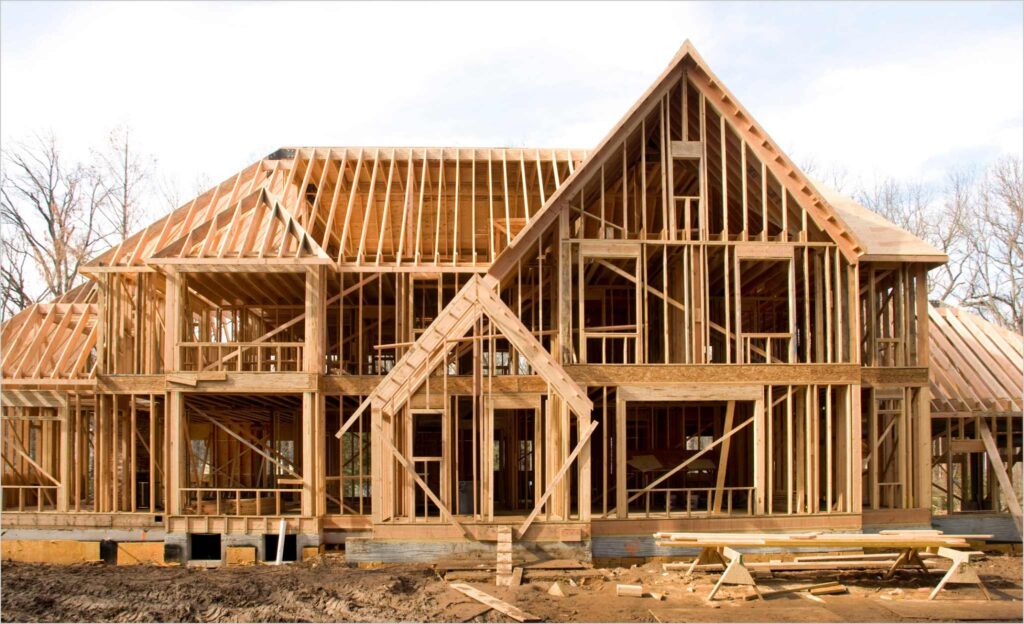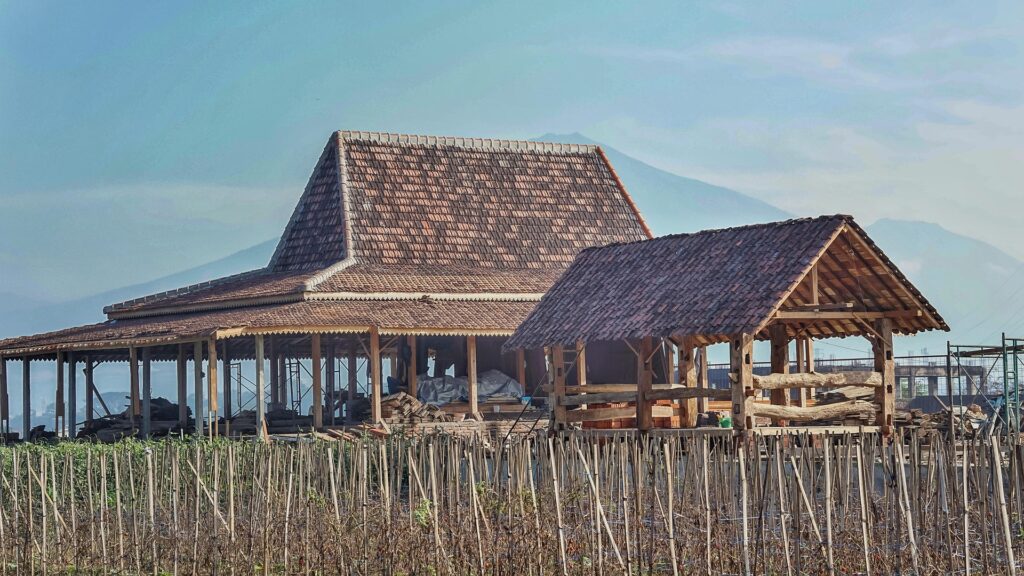
Quick Answer
multi family home construction cost in the United States typically costs $150 to $350 per square foot, or roughly $80,000 to $280,000 per unit, depending on location, building type, and finish level. A duplex averages $293,000–$549,000 total, a triplex runs $280,000–$750,000, and a fourplex typically lands between $400,000 and $1,000,000. Larger apartment buildings (5+ units) generally cost $200–$450 per square foot in hard construction costs alone, with total project costs — including land, permits, and soft costs — pushing that figure higher.
If you’re planning to build a multi-family property in 2026, understanding these numbers before you break ground can save you from budget-busting surprises. This guide breaks down every cost driver, unit type, and regional variable so you can plan with confidence
What Counts as a Multi-Family Home?
A multi-family home is a single building containing two or more separate, self-contained residential units, each with its own kitchen, bathroom, and living space. Common types include:
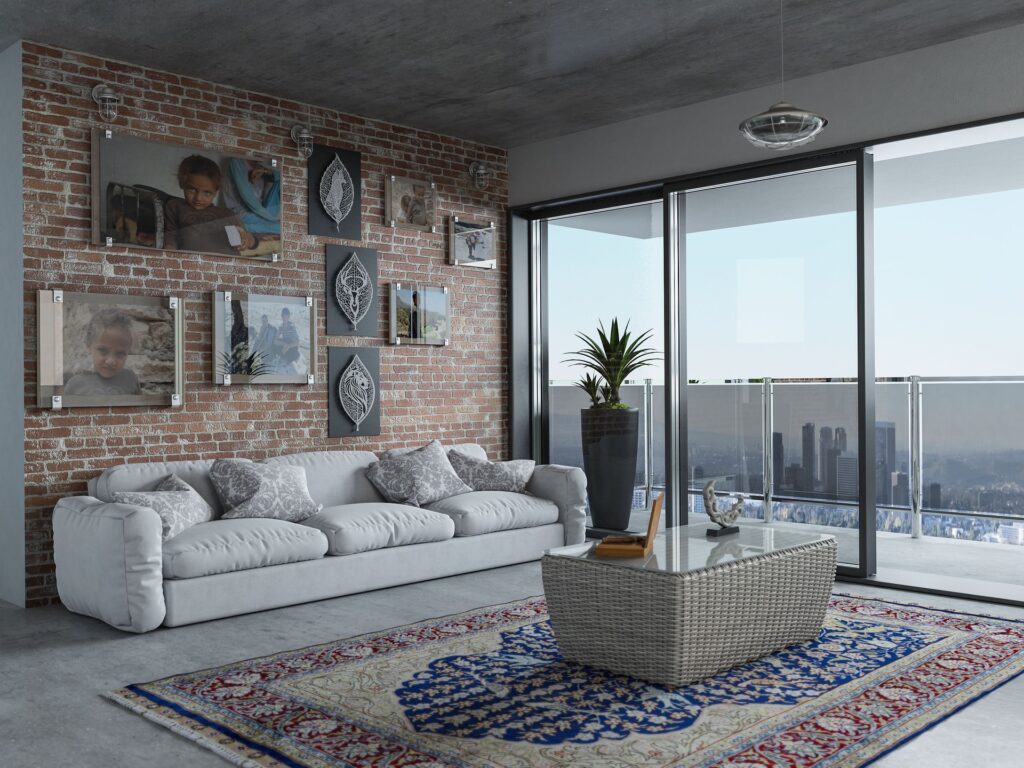
- Duplex – 2 units
- Triplex – 3 units
- Fourplex (Quadplex) – 4 units
- Small apartment building – 5 to 20 units
- Mid-rise apartment complex – 20+ units, typically 5–10 stories
- Garden-style apartments – low-rise, spread across multiple buildings with shared outdoor space
Each category comes with a different cost structure, financing path, and construction timeline, which is why “multi-family home cost” doesn’t have a single answer — it depends heavily on scale.
Average Multi-Family Home Construction Cost by Unit Type
| Property Type | Cost Per Square Foot | Typical Total Cost | Average Cost Per Unit |
| Duplex (2 units) | $150–$280 | $293,000–$549,000 | $150,000–$275,000 |
| Triplex (3 units) | $135–$230 | $280,000–$750,000 | $95,000–$250,000 |
| Fourplex (4 units) | $95–$220 | $400,000–$1,000,000 | $155,000–$372,000 |
| Small apartment (5–20 units) | $150–$350 | Varies by unit count | $100,000–$250,000 |
| Mid-rise apartment (20+ units) | $200–$450 (hard costs | $4.7M–$52M+ | $80,000–$280,000 |
These figures reflect national averages. Actual costs swing significantly based on where you build, what materials you choose, and how ambitious your amenity package is.
Duplex Construction Cost

A duplex — two units under one roof, either side-by-side or stacked — is the most affordable entry point into multi-family construction. Expect to pay $150 to $280 per square foot, with a realistic total budget of $250,000 to $450,000 for a standard 2,000-square-foot build. Stacked (unit-over-unit) duplexes tend to run cheaper than side-by-side layouts because they require a smaller foundation and roof footprint.
Triplex Construction Cost
Adding a third unit doesn’t increase costs proportionally — that’s the economy-of-scale advantage of multi-family construction. A triplex typically costs 30–40% more in total than a duplex, but only 15–20% more per unit, since the building shares a foundation, roof, and exterior walls across three units instead of two. A typical 3,600-square-foot triplex (1,200 square feet per unit) runs $450,000 to $650,000.
Fourplex Construction Cost
A fourplex generally costs $400,000 to $1,000,000 total, with most homeowners and investors spending around $750,000. On a per-unit basis, that works out to roughly $155,000 to $372,000 per unit, averaging about $263,500 per unit. Fourplexes require finishing four separate kitchens and at least four bathrooms, which is the main reason costs don’t drop as sharply per unit as you might expect.
Apartment Complex Construction Cost (5+ Units)
Once you move beyond four units, you’re typically in apartment-complex territory, which involves commercial-style construction, financing, and permitting. Hard construction costs for mid-rise multi-family buildings generally run $200–$450 per square foot in 2026, with a national average around $310 per square foot. A 100-unit building with 1,000-square-foot units, for example, could cost roughly $35 million to build at national average pricing — though land, location, and amenities can push that number considerably higher or lower.
One important dynamic: the more units you build, the lower your cost per door tends to be — up to a point. Once developments reach the 50-to-100-unit range, per-unit costs typically start climbing again due to added structural, mechanical, and life-safety requirements (elevators, fire suppression systems, parking structures).
Hard Costs vs. Soft Costs: Where the Money Actually Goes
Multi-family construction budgets are split into two categories, and understanding the difference is essential for accurate planning.
Hard costs (typically 60–80% of the budget) include:
- Site work and excavation
- Foundation and framing
- Roofing, exterior walls, and windows
- Plumbing, electrical, and HVAC systems
- Interior finishes (flooring, cabinets, fixtures)
- Landscaping and parking areas
Soft costs (typically 20–30% of the budget) include:
- Architectural and engineering fees (often 10–17% of total budget)
- Permit and inspection fees
- Legal and consulting fees
- Construction loan interest and financing fees
- Insurance during construction
- Marketing and lease-up costs (for rental properties)
Regulatory compliance alone can account for roughly 32% of total multi-family construction costs in some markets, covering everything from zoning approvals to accessibility requirements and energy code upgrade
Cost Breakdown by Trade
For a clearer picture of where hard-cost dollars go, here’s a general breakdown developers use when budgeting a multi-family project:
| Cost Category | Typical Range (per sq ft) |
| General contractor fee | $85–$200 |
| Architectural/design fee | $125–$250 |
| Skilled labor (framing, masonry, electrical) | $70+ per hour per trade |
| Permits and fees | $10,000–$45,000 total |
| Site prep and foundation | Varies by lot condition |
Labor typically represents the single largest line item, especially in markets with strong union presence or limited skilled-trade availability.
What Drives Multi-Family Home Costs Up or Down
Location
Where you build is the single biggest cost variable. Coastal metros and high-regulation markets (San Francisco, New York, Honolulu, Chicago) consistently rank among the most expensive places to build multi-family housing, while Sun Belt markets like Austin, Dallas, and parts of Florida tend to offer lower per-square-foot costs — though rapid population growth is narrowing that gap.
| Market Type | Labor Rate Range | Material Cost vs. National Average | Typical Permit Fees |
| High-cost coastal metro (e.g., NYC) | (e.g., NYC)$55–$80/hr | +35% | $25,000–$45,000 |
| Major Midwest metro (e.g., Chicago) | $48–$65/hr | +10% | $14,000–$26,000 |
| Growing Sun Belt metro (e.g., Austin) | $38–$55/hr | +5% | $10,000–$18,000 |
| Hurricane/coastal-code states (e.g., Florida) | $42–$58/hr | +12% | $12,000–$22,000 |
Labor Availability
Skilled-trade shortages continue to push labor costs upward nationally, with many markets seeing 3–5% year-over-year labor cost growth in 2026. Union-heavy markets tend to have higher, but more predictable, labor pricing.
Materials
Lumber, steel, and concrete prices have stabilized somewhat since the pandemic-era spikes, but regional supply chain conditions still create meaningful cost swings — anywhere from 5% to 35% above the national average depending on the market.
Building Height and Structure Type
Wood-frame construction (typically used for buildings up to 4–5 stories) is significantly cheaper than steel or concrete construction required for taller buildings. Elevators, fire-rated assemblies, and structural steel requirements can add substantially to per-square-foot costs once a project exceeds low-rise height.
Unit Size and Configuration
Smaller units cost more per square foot to build because kitchens and bathrooms — the most expensive rooms per square foot — take up a larger share of the total floor plan. A building full of studio and one-bedroom units will generally have a higher blended cost per square foot than one with larger two- and three-bedroom units.
Amenities and Finish Level
Elevators, fitness centers, pools, covered parking, smart-home technology, and high-end finishes can add 15–30% or more to total project costs. Developers building workforce or affordable housing typically target the lower end of the cost spectrum by minimizing shared amenities.
Land Costs
Land acquisition is separate from construction cost but has an outsized effect on total project feasibility. Land for a duplex might run $3,000–$150,000, while land suitable for a larger apartment complex in an urban core can represent a substantial share of total project cost — sometimes rivaling the construction budget itself.
Parking Requirements
Many municipalities mandate a minimum number of parking spaces per unit. Surface parking is relatively inexpensive, but structured or underground parking can add tens of thousands of dollars per space, significantly impacting per-unit costs in dense urban markets.
Multi-Family vs. Single-Family Construction Costs
Building a duplex, triplex, or fourplex generally costs more per unit than a comparable single-family home of the same size — because you’re duplicating kitchens, bathrooms, entrances, and utility connections. However, multi-family construction is significantly more cost-efficient than building the equivalent number of standalone homes, since shared walls, roofs, and foundations reduce material and labor duplication by an estimated 25–35% per unit compared to separate single-family construction.
This is the core economic case for multi-family development: you trade a modest per-unit cost premium over a single-family home for a dramatic cost savings compared to building multiple separate houses — while also gaining multiple rental income streams from one property.
Typical Construction Timeline
| Project Type | Typical Timeline |
| Duplex | 6–12 months |
| Triplex | 8–13 months |
| Fourplex | 8–15 months |
| Small apartment building (5–20 units) | 10–16 months |
| Mid-rise apartment complex | 12–24 months |
Timelines vary based on permitting complexity, weather, labor availability, and whether the project requires rezoning or special-use approval.
How to Finance Multi-Family Construction
Conventional construction loans – Standard financing for larger multi-family projects, typically requiring 20–30% equity. FHA loans (2–4 units) – Owner-occupants building a duplex, triplex, or fourplex may qualify for FHA financing with as little as 3.5% down, and lenders can count up to 75% of projected rental income from non-owner-occupied units toward qualification. Agency and bank financing – Larger developments (5+ units) typically move into commercial multi-family lending, often through agency lenders, banks, or credit unions. Construction-to-permanent loans – Convert automatically to a standard mortgage once construction is complete, reducing refinancing hassle.
Ways to Reduce Multi-Family Construction Costs
Choose a repeatable unit layout. Standardizing floor plans across units reduces design time and construction complexity.
Build with wood frame where code allows. It’s substantially cheaper than steel or concrete for low- and mid-rise buildings.
Right-size parking. Only build the parking your jurisdiction requires — structured parking is one of the most expensive line items per space.
Get multiple contractor bids. Pricing can vary 20% or more between qualified general contractors for the same scope of work.
Time your build strategically. Starting construction in the off-season in weather-sensitive markets can reduce labor costs and scheduling delays.
Buy materials locally.
Reducing freight and delivery distances can meaningfully cut material costs.
Work with an experienced multi-family architect.
A design built for construction efficiency from day one avoids expensive change orders later.
Build a realistic contingency fund.
Budget 10–20% above your baseline estimate to absorb permit delays, material price shifts, and unforeseen site conditions.
Frequently Asked Questions
How much does it cost to build a multi-family home per unit?
Most multi-family construction costs range from $80,000 to $280,000 per unit, though duplexes and fourplexes can run higher per unit than larger apartment developments due to reduced economies of scale.
Is it cheaper to build a duplex or two single-family homes?
Building a duplex is typically 25–35% cheaper per unit than building two separate single-family homes, since the units share a foundation, roof, and exterior walls.
What is the average cost per square foot to build an apartment complex?
The national average is roughly $310 per square foot, with hard costs for mid-rise buildings typically falling between $200 and $450 per square foot depending on market and building height.
How long does it take to build a multi-family property?
Timelines range from 6–12 months for a duplex to 12–24 months for a larger mid-rise apartment complex, depending on permitting, financing, and site conditions.
What percentage of multi-family construction cost is labor?
Labor and contractor fees typically represent the largest single hard-cost category, with skilled trade rates ranging from $38 to $80 per hour depending on region and union presence.
Does building more units reduce the cost per unit?
Generally yes, up to a point. Costs per unit tend to decrease as unit count rises from 2 to roughly 50–100 units, after which additional life-safety and structural requirements can cause per-unit costs to climb again.
What’s included in soft costs for multi-family construction?
Soft costs include architectural and engineering fees, permits, legal and consulting fees, construction loan interest, and insurance — typically 20–30% of total project cost.
Final Takeaway
Multi-family construction costs in 2026 vary widely — from roughly $150 per square foot for a straightforward duplex in an affordable market to $450 per square foot or more for a mid-rise apartment building in a high-cost coastal city. The single biggest lever you control is scope: unit count, unit size, finish level, and parking requirements will move your budget more than almost any other factor. Before committing to a design, get at least three contractor bids, confirm local zoning and parking requirements, and build in a realistic contingency — multi-family projects rarely come in exactly on budget, but developers who plan for the full range of hard and soft costs upfront are far less likely to face costly surprises mid-build.