Quick answer cement price guide
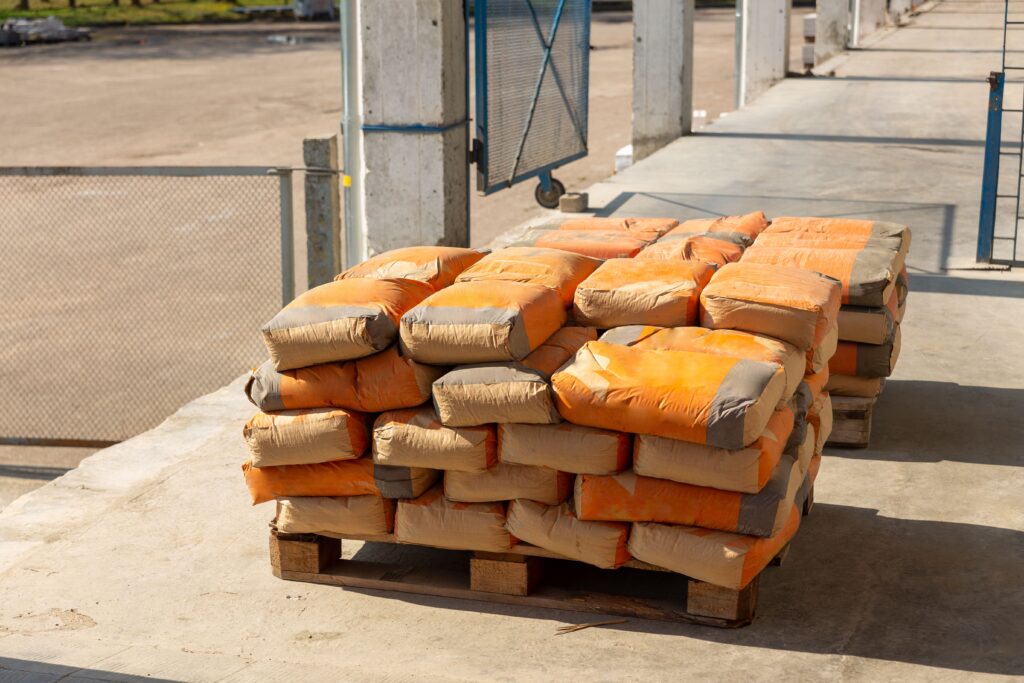
cement price guidea standard 94 lb bag of gray Portland cement costs $12–$40 at U.S. retailers, with most homeowners paying $14–$22 per bag. In bulk, cement runs about $155–$175 per short ton ($169/ton national average), while ready-mix concrete delivered to a job site averages $150–$182 per cubic yard, depending on region. Prices are up roughly 5–11% year-over-year due to tariffs on imported cement, tight domestic plant capacity, and strong construction demand in the South and West.
If you’re planning a driveway, foundation, patio, or any concrete project in 2026, this guide breaks down exactly what you’ll pay — by bag, by ton, by cubic yard, and by state — plus the forces driving prices and how to budget accurately.
What Is Cement, and How Is It Different From Concrete?
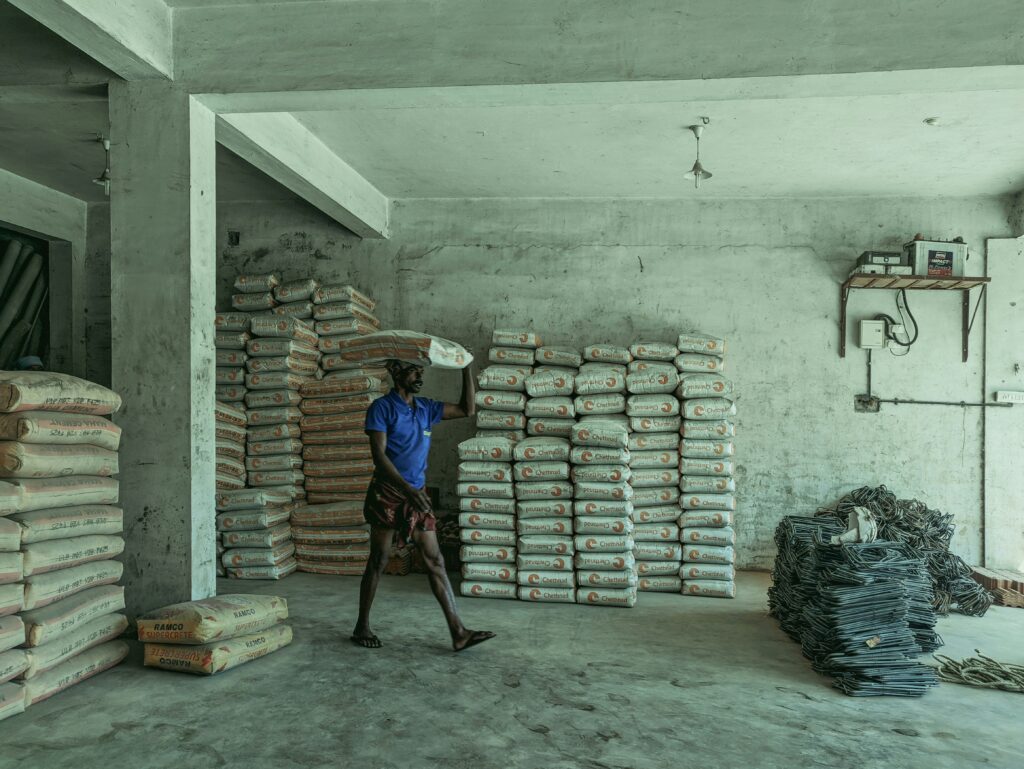
cement price guide most common points of confusion in construction budgeting, so it’s worth clearing up before we get into pricing.
Cement is a fine gray powder — typically Portland cement — made by heating limestone, clay, and other minerals in a kiln. On its own, cement is a binder, not a building material.
Concrete is the finished product: cement mixed with water, sand, and gravel (aggregate) that hardens into the material used for slabs, foundations, and driveways.
Cement usually makes up only 10–15% of concrete’s total cost, but its price still has an outsized effect on the final bill, because it’s the ingredient most exposed to energy costs, tariffs, and supply shortages.
Knowing this distinction matters when you’re pricing a job: if a supplier quotes you “$170 per ton,” they almost always mean raw cement, not finished concrete, which is priced separately by the cubic yard.
Cement Prices in the USA: 2026 Breakdown
Price Per Bag (94 lb Standard Bag)
| Bag Type | Typical Price (2026) |
| Standard gray Portland cement (Type I/II), 94 lb bag | $12 – $22 |
| Premium name brands (Quikrete, Lehigh, Holcim) | $22 – $40 |
| White Portland cement | $30 – $55 |
| Rapid-set / high-early-strength cement | $18 – $30 |
| Masonry cement (Type N/S) | $14 – $24 |
Most big-box retail prices land in the $15–$20 range for standard gray cement, with premium and specialty products pushing well past $30. White cement and rapid-setting formulas typically cost 1.5 to 2 times more than standard gray cement because of specialized raw materials and lower production volumes.
Price Per Ton (Bulk)
For contractors and larger projects, cement is purchased by the ton rather than the bag:
- National average, early 2026: roughly $165–$169 per short ton
- Wholesale/bulk buyers: as low as $155/ton with volume discounts
- Imported cement (tariff-affected): loads that cost around $130/ton pre-tariff have risen to roughly $160+/ton after recent import duties on Canadian and Mexican cement
Cement prices have climbed steadily: Portland cement sat near $148/ton in early 2025 and reached about $165–$169/ton by Q1 2026 — a year-over-year increase in the high single digits.
Price Per Cubic Yard of Concrete (Delivered)
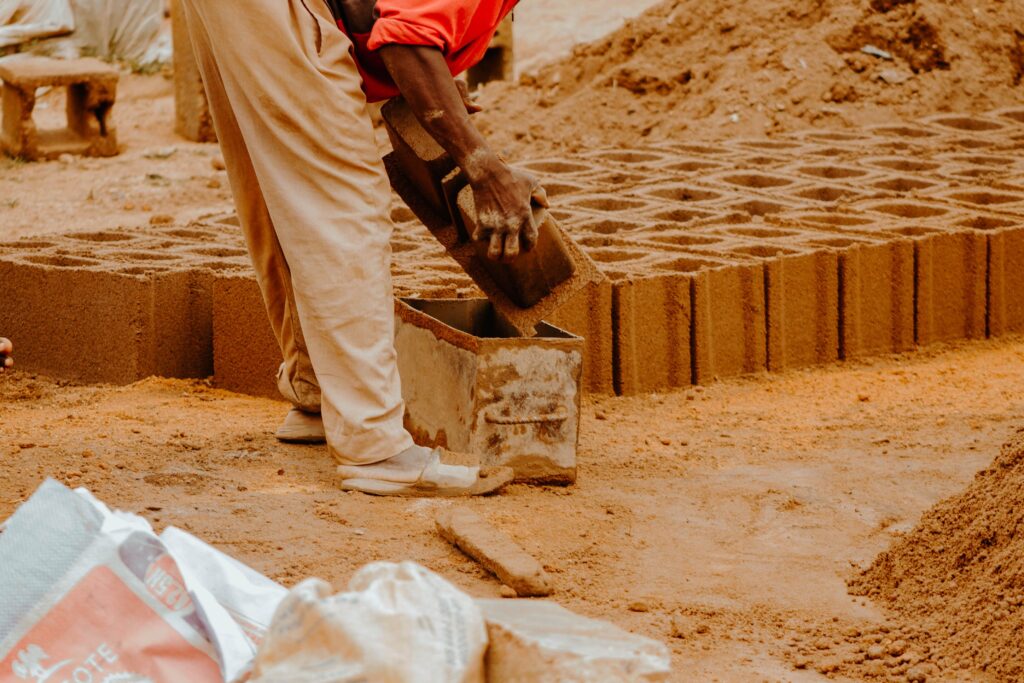
Since cement rarely reaches homeowners in raw ton quantities, most residential buyers care about ready-mix concrete pricing, which bundles cement, aggregate, admixtures, and delivery:
| Region | Avg. Price per Cubic Yard (2026) |
| Northeast (incl. NYC metro) | $180 – $250 |
| Southeast | $170 – $185 |
| West (CA, AZ, NV) | $175 – $190 |
| South-Central (Texas) | $110 – $165 |
| Midwest | $145 – $160 |
Regional swings are dramatic — a driveway pour in New York City can cost 40–60% more than the identical job in Texas, largely due to freight distance, labor rates, and local plant capacity.
Why Cement Prices Vary So Much by Region
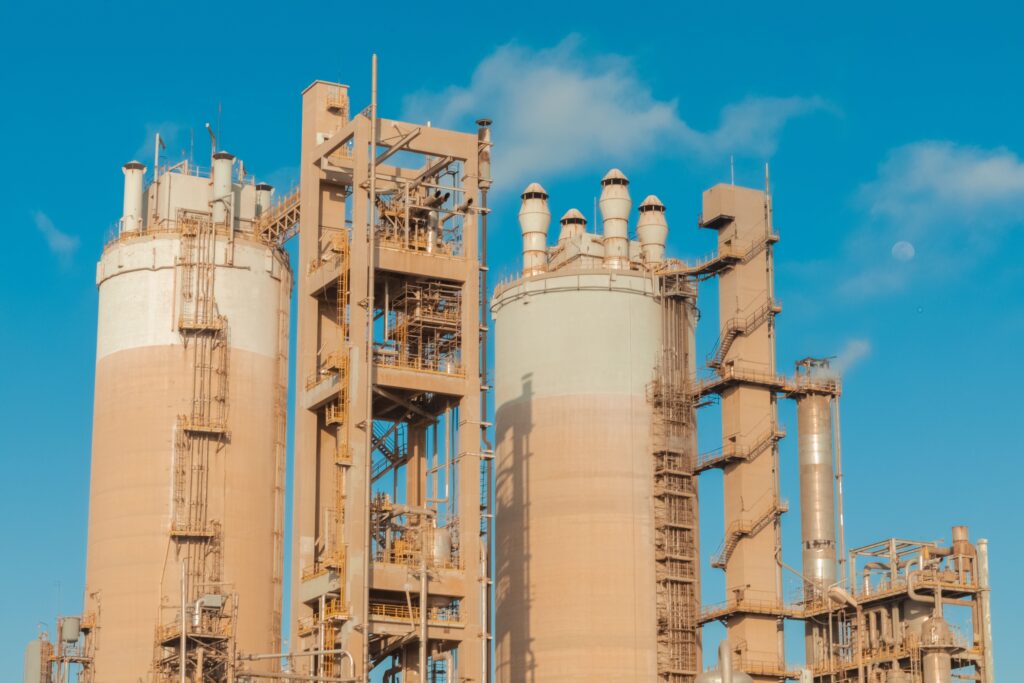
A handful of structural factors explain why the same bag of cement can cost twice as much depending on where you live:
- Proximity to a cement plant or import terminal. States with domestic kilns (Texas, Missouri, Michigan, Iowa) or major import ports (Houston, New Orleans, New York, Philadelphia, Boston) generally see lower prices. Landlocked or plant-scarce regions absorb higher freight costs.
- Plant capacity utilization. U.S. cement plants are running near 92% capacity nationally, with the Southeast pushed to roughly 96% — a level industry analysts consider a danger zone where even routine kiln maintenance can trigger regional shortages and price spikes.
- Population and construction growth. States with fast population growth — Florida, Texas, Arizona, the Carolinas — see cement demand outstrip local supply, pushing prices up. Florida alone added roughly 365,000 residents in 2025, each one indirectly driving demand for roads, housing, and infrastructure concrete.
- Environmental regulation. California’s stricter emissions rules on cement manufacturing, combined with its distance from alternative suppliers, help keep West Coast pricing among the highest in the country.
- Competing demand from public infrastructure. Federal infrastructure funding continues to direct significant volumes of ready-mix concrete toward highway and bridge projects, which can crowd out residential and small commercial pours — especially in metro areas with active DOT construction.
The 3 Biggest Forces Driving 2026 Cement Prices
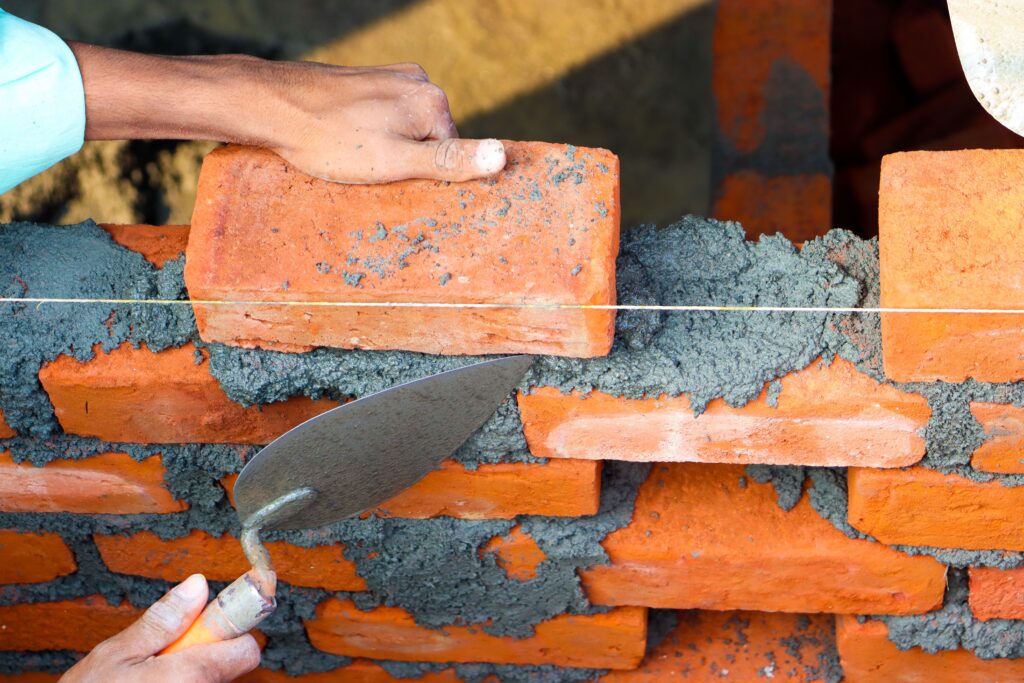
Tariffs on Imported Cement
New tariffs on Canadian and Mexican cement have added roughly 25% to the cost of many imported loads, turning what was once a $130/ton shipment into something closer to $160+/ton. This hits northern border states hardest — in New York and Washington, Canadian cement has historically supplied up to 36% of local consumption, so these states felt the price impact first and most severely.
Tight Domestic Supply and Kiln Maintenance
The Portland Cement Association reported national capacity utilization around 92% in early 2026, with the Southeast running even hotter at 96%. Several major Southeast plants underwent kiln maintenance in Q1 2026, temporarily pulling roughly 800,000 tons of annualized capacity off the market — a key reason Florida, Georgia, Alabama, and the Carolinas have seen ready-mix prices climb toward $178/yard or higher.
Rising Input and Freight Costs
Beyond cement itself, the broader cost stack for concrete has moved: aggregate (sand and gravel) prices rose modestly, around 4% year-over-year, while delivery costs — driven by diesel prices and driver wages — added close to 7% to per-yard delivered pricing. Steel rebar, needed for nearly every structural pour, has also climbed 5–10% due to separate metal tariffs, compounding total project costs even when the concrete price alone looks manageable
Cement Price Trends: 2025 vs. 2026
| Metric | 2025 | 2026 (current) | Change |
| Cement price per ton | ~$148–$160 | ~$165–$169 | +5% to +11% |
| Avg. ready-mix concrete/yard | ~$140–$160 | ~$150–$182 | +8% to +15% (region-dependent) |
| Southeast ready-mix/yard | — | ~$178 | Up ~15% YoY |
| West ready-mix/yard | — | ~$182 | Up ~12% YoY |
| Midwest ready-mix/yard | — | ~$152 | Up ~8% YoY |
Forecast: Industry analysts expect continued upward pressure through 2027, driven by sustained infrastructure spending and limited new plant capacity — the next major domestic expansion (a large project in Texas) isn’t expected online until late 2027. Some modest seasonal softening (2–3%) is possible in late 2026 and early 2027, but a full price correction isn’t expected until new capacity comes online.
How Much Cement Do You Actually Need? (Simple Calculator Guide)
A common budgeting mistake is assuming cement is sold “per cubic yard” — it isn’t. Cement is sold by the bag or ton; concrete (the cement-sand-gravel mix) is sold by the cubic yard. Here’s how the two relate:
- 1 cubic yard of concrete typically requires 6–7 standard 94 lb bags of cement, combined with sand, gravel, and water.
- A typical cubic yard of ready-mix contains roughly 520–600 lbs of cement as one component of the total mix.
Example calculation — a 10×15 ft concrete slab, 4 inches thick:
- Volume needed: 10 ft × 15 ft × (4/12 ft) = 50 cubic feet = 1.85 cubic yards
- Cement bags required (DIY mix): ~1.85 × 6.5 bags ≈ 12 bags
- Material cost (DIY, bags only): 12 bags × ~$18/bag ≈ $216–$260
- Full DIY project cost (including sand, gravel, tools, delivery fees): typically $1,100–$1,200
- Professionally installed equivalent: typically $1,100–$1,650, reflecting labor, finishing, and short-load delivery fees
For larger pours, contractors almost always order ready-mix delivered by the truckload rather than mixing bags on-site, since bagged cement becomes more expensive and labor-intensive above roughly 1 cubic yard.
Types of Cement and What Drives Their Price Differences

Not all cement is priced the same, and understanding the categories helps explain why two bags sitting side-by-side on a shelf can differ by $20 or more.
Portland Cement (Type I/II) is the standard, general-purpose cement used in most residential and commercial concrete. It’s produced at high volume, which keeps it the most affordable option, typically $12–$22 per 94 lb bag.
Type III (High-Early-Strength) Cement is ground finer and formulated to gain strength faster, which is valuable for cold-weather pours or projects on a tight schedule. The extra processing pushes prices to roughly $18–$30 per bag.
White Portland Cement uses raw materials low in iron and manganese oxide to achieve its white color, and it’s manufactured in far smaller batches than gray cement. That lower production volume is the main reason it costs 1.5–2 times more than standard gray cement, often $30–$55 per bag.
Masonry Cement (Type N/S) is blended with lime and other additives specifically for mortar in brick and block work, rather than structural concrete. It typically runs $14–$24 per bag.
Blended and SCM-Enhanced Cements incorporate supplementary cementitious materials like fly ash, slag, or silica fume. These can be priced similarly to or slightly below standard Portland cement while reducing the total volume of clinker (the most energy-intensive component) needed — making them an increasingly popular hedge against cement price volatility.
Knowing which type your project actually requires prevents overpaying: a basic patio slab or fence footing rarely needs anything beyond standard Type I/II, while white cement should be reserved for decorative or architectural work where its appearance matters.
Domestic vs. Imported Cement: Does It Affect What You Pay?
The source of your cement has become a bigger pricing factor in 2026 than in past years, largely because of trade policy shifts.
Domestic U.S. cement comes from plants operated by major producers like CEMEX, Lehigh Hanson, Holcim, Argos, and Ash Grove. Domestic supply is generally more stable in price but is currently running near full capacity, which limits how much extra volume plants can absorb during regional demand spikes.
Imported cement, historically a meaningful share of supply in coastal and border states, has become more expensive following new tariffs on cement from Canada and Mexico — with landed costs rising by roughly 25% on affected shipments. Some suppliers have shifted toward alternative import sources, including Turkish cement, which is often offered in the mid-to-high $50s per ton FOB before ocean freight, potentially undercutting some domestic mill prices even after shipping costs are added — though buyers should weigh lead times and minimum order volumes against domestic availability.
For most homeowners and small contractors, the import-vs-domestic distinction won’t be a line item you negotiate directly — your ready-mix supplier or building materials dealer absorbs that sourcing decision. But it’s worth asking your supplier where their cement originates if you’re in a border state or coastal market where import tariffs are having the largest local impact, since it can explain sudden price movements your supplier passes along.
Residential vs. Commercial Cement Buying: Key Differences
Residential buyers (homeowners doing DIY patios, walkways, or small slabs) almost always purchase bagged cement from home improvement retailers or local building supply stores. Volume is small, prices are closer to full retail ($15–$40/bag), and delivery is usually self-managed.
Small contractors doing driveways, foundations, or larger slabs typically order ready-mix concrete by the truckload from a local batch plant, priced per cubic yard rather than per bag. This is almost always more cost-effective than buying and mixing dozens of bags on-site once a project exceeds roughly 1 cubic yard.
Commercial and infrastructure buyers purchase cement by the ton directly from mills or distributors, often under long-term supply contracts that lock in pricing and volume commitments. These buyers are also the most exposed to the capacity and tariff pressures discussed earlier, since large-volume jobs compete directly with public infrastructure projects for the same limited supply of ready-mix trucks and cement stock.
Understanding which category your project falls into helps you choose the right purchasing channel — buying bagged cement for a large commercial pour, for instance, would be dramatically more expensive and labor-intensive than ordering ready-mix by the yard.
Cement Price by Project Type
| Project | Typical Cement/Concrete Cost Range (materials + basic labor) |
| Small patch or fence post (1–2 bags) | $25 – $60 |
| Shed slab (10×15 ft, 4″) | $1,100 – $1,650 |
| Single-car driveway (10×20 ft) | $1,500 – $3,000 |
| Standard home foundation | $6,000 – $18,000+ |
| 24×24 ft garage slab | $2,500 – $4,450 (materials + basic labor) |
Costs scale heavily with region, slab thickness, reinforcement (rebar or mesh), and whether you hire a pro or handle it as a DIY pour.
How to Save Money on Cement in 2026
Buy in bulk when possible. Per-bag costs drop noticeably when purchasing pallets or full-ton quantities instead of individual bags.
Compare wholesale vs. retail. Home improvement retail stores routinely charge more than building-supply wholesalers or ready-mix plants for the same product.
Time your pour outside winter. Cold-weather surcharges for heated materials and ice-melting additives can add $5–$7 or more per cubic yard.
Get multiple ready-mix quotes. Given 40–60% regional price swings, even neighboring suppliers can differ significantly — always compare at least two or three local providers.
Ask about short-load fees.
Small deliveries (under a full truckload) often incur added fees; combining orders with a neighbor or timing a slightly larger pour can offset this.
Lock in pricing with escalation clauses.
For larger commercial jobs, negotiating material price protection into your contract can guard against mid-project cement price jumps.
Consider SCM-optimized mix designs.
Supplementary cementitious materials (like fly ash or slag) can reduce the amount of Portland cement needed per yard without sacrificing strength, cushioning your budget against cement-specific price spikes.
Frequently Asked Questions
How much does a bag of cement cost in the U.S. in 2026?
A standard 94 lb bag of gray Portland cement costs between $12 and $40, with most retail buyers paying $14–$22 for standard, non-premium brands
What is the price of cement per ton right now?
Cement is averaging roughly $165–$169 per short ton nationally in 2026, up from about $148–$160/ton in 2025.
Is cement the same price as concrete?
No. Cement is a raw ingredient sold by the bag or ton. Concrete is the finished cement-sand-gravel mix sold by the cubic yard, typically $110–$250 depending on region
Why did cement prices go up in 2026?
Three main factors: new tariffs on Canadian and Mexican cement imports (~25% cost increase on affected loads), tight domestic plant capacity (92–96% utilization), and strong construction demand, especially in fast-growing Southern and Western states.
Which U.S. states have the most expensive concrete?
The Northeast (especially New York City) and the West Coast (California, Arizona, Nevada) tend to have the highest per-yard concrete prices, often $180–$250 per cubic yard, due to freight distance, regulation, and high demand.
Which states have the cheapest cement and concrete?
Texas and much of the Midwest (Missouri, Iowa, Michigan) generally offer the lowest prices, thanks to local plant capacity and abundant aggregate supply, with concrete often priced $110–$165 per cubic yard.
How many bags of cement do I need per cubic yard of concrete?
Roughly 6–7 standard 94 lb bags of cement per cubic yard, combined with sand, gravel, and water, though exact ratios depend on your mix design.
Will cement prices go down in 2026 or 2027?
Most industry forecasts point to continued moderate increases (3–5% annually) through 2027, with only slight seasonal softening possible in late 2026. Meaningful relief is tied to new plant capacity that isn’t expected until late 2027.
Is it cheaper to buy cement in bags or bulk? Bulk (by the ton or truckload) is almost always cheaper per unit than bagged cement, especially for projects requiring more than 1 cubic yard of concrete.
Final Takeaway
Cement pricing in 2026 sits at a genuine inflection point: tariffs, tight plant capacity, and fast-growing construction markets in the South and West have pushed both raw cement and ready-mix concrete prices up by high single digits to double digits year-over-year. Whether you’re a homeowner pricing a driveway or a contractor bidding a commercial slab, the two most important moves are the same — buy in bulk where you can, and get multiple current quotes, since regional pricing can swing by 40% or more for the exact same material.
Prices in this guide are aggregated from industry pricing data, government statistics, and supplier reports current as of Q1–Q2 2026. Actual pricing varies by supplier, location, order volume, and season — always request a current local quote before budgeting a project.