
steel price guide a construction project, bidding a job, or just trying to understand where your material budget is going, steel prices are one of the biggest variables you’ll face. This guide breaks down current U.S. steel pricing by product type and unit, explains what’s driving the numbers, and gives you a framework for estimating steel costs on your next project. CZS Sheet Metal Cutter Drill Attachment, Electric Drill Shears Attachment Cutter Nibbler, Metal Nibbler Drill Attachment for Cutting Iron, White Sheet, Steel, Copper, Aluminum This drill attachment is perfect for cutting metal sheets. It makes the job a breeze!
Quick Answer
What Does Steel Cost Right Now?
As of mid-2026, structural steel in the U.S. is priced around $2,340–$2,480 per ton, hot-rolled coil (HRC) steel is trading near $1,150–$1,200 per short ton, and mild steel more broadly ranges from $0.55 to $0.95 per pound depending on grade and form. Prices have trended downward from 2025 highs, with structural steel down roughly 7% year-over-year, though monthly volatility remains common due to tariffs, scrap availability, and mill capacity utilization.
Current Steel Prices by Product Type (2026)
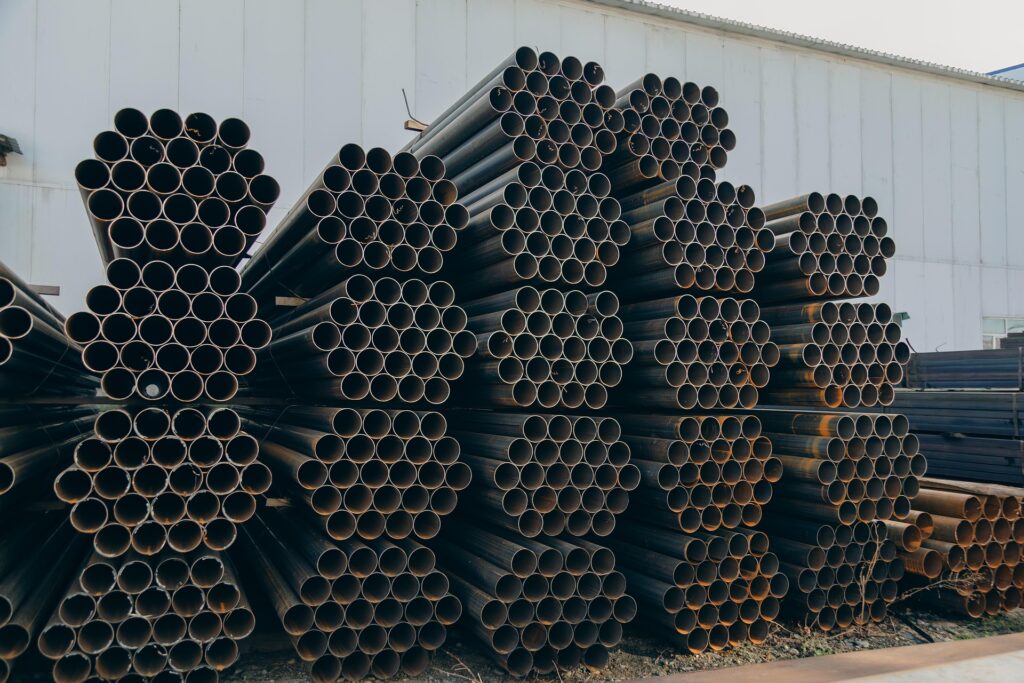
Steel isn’t a single commodity — pricing varies significantly by product form, grade, and finish. Here’s where the major categories stand right now:
| Steel Product | Current Price Range (USD) | Unit |
| Structural steel (beams, columns) | $2,340 – $2,480 | per ton |
| Hot-rolled coil (HRC) | $1,150 – $1,200 | per short ton |
| Cold-rolled steel | Add $0.10–$0.20/lb over HRC | per pound |
| Mild steel (general) | $0.55 – $0.95 | per pound |
| Steel rebar | $700 – $900 | per ton |
| Steel scrap (shredded) | $0.25 – $0.40 | per pound |
| Stainless steel (304 grade) | $1.80 – $2.50 | per pound |
The price of structural steel dropped to $2,343.93 per ton in January 2026, down 7.18% year-over-year and 5.38% from the previous quarter.</cite> More recent data shows <cite index=”5-1″>hot-rolled coil steel priced at $1,169 per ton as of July 1, 2026, still running about 32% higher than a year earlier despite pulling back from spring peaks.
These figures represent mill or benchmark pricing. What you actually pay as a contractor, fabricator, or homeowner will typically run 10–30% higher once you factor in distributor markup, fabrication, delivery, and regional demand.
Steel Prices Per Ton vs. Per Pound vs. Per Square Foot
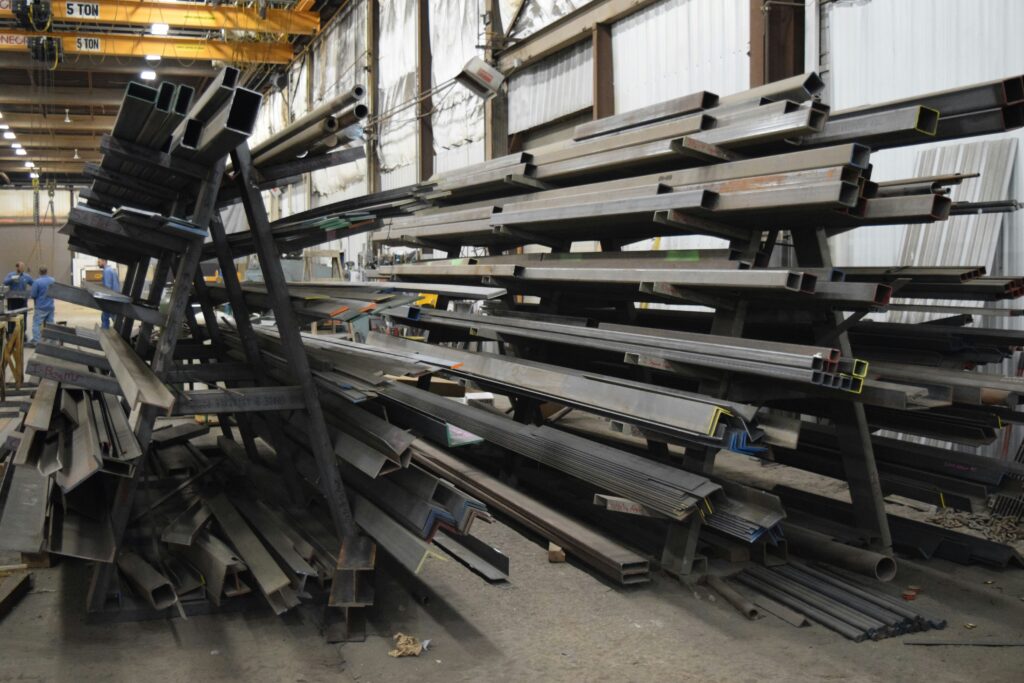
Different trades and suppliers quote steel differently, which causes a lot of confusion when comparing bids. Here’s how to translate between units:
- Per ton (2,000 lbs): Standard for structural steel, rebar, and bulk purchases. Most commercial project estimates use this.
- Per pound: Common for smaller orders, specialty alloys, and retail/fabrication shops.
- Per square foot: Used in framing and decking estimates, where steel gauge and coverage area matter more than raw weight.
- Per metric tonne (1,000 kg / 2,204.6 lbs): Common in international pricing indexes and some import contracts — don’t confuse this with the U.S. short ton.
Quick conversion
To go from price per ton to price per pound, divide by 2,000. A $2,400/ton structural steel price equals $1.20 per pound at the mill level.
For light-gauge steel framing (common in residential and light commercial), expect $2.50–$5.00 per square foot installed, depending on gauge thickness, wall height, and labor rates in your area.
What Drives Steel Prices Up or Down
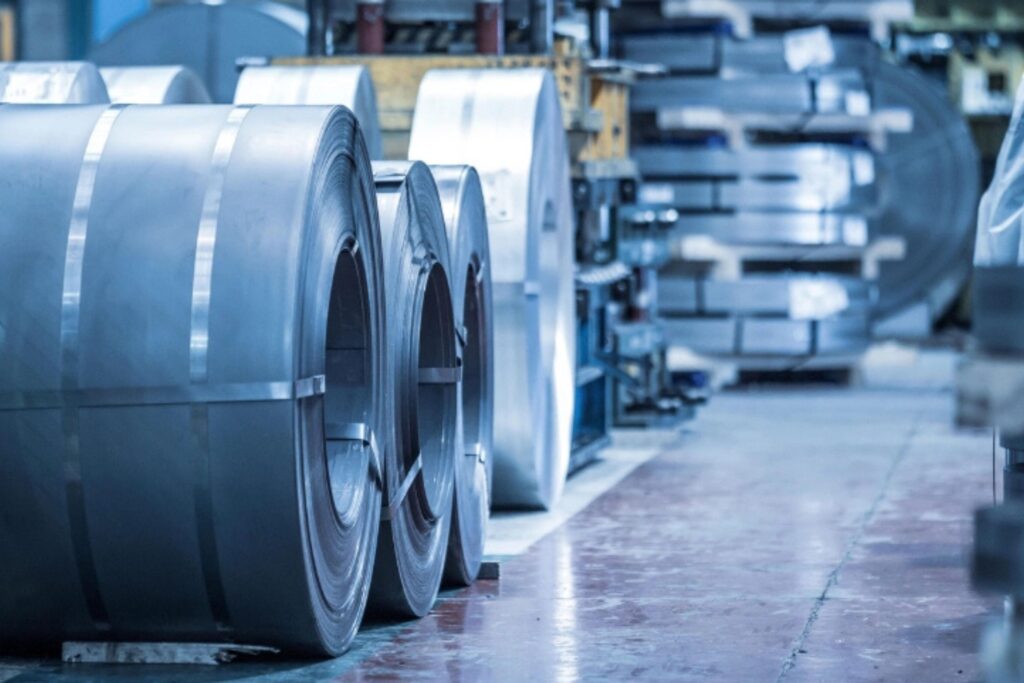
Steel pricing is one of the most volatile line items in a construction budget, and it moves for reasons that often have little to do with local demand. The main drivers are:
Scrap metal supply. Roughly 70% of U.S. steel is produced via Electric Arc Furnace (EAF), which relies on scrap feedstock rather than raw iron ore. When scrap becomes scarce or export demand for scrap rises, prime steel prices follow.
Tariffs and trade policy. U.S. steel tariffs have been a major price factor since 2018, and international trade actions continue to ripple through the market. <cite index=”6-1″>The European Union recently cut its annual tariff-free steel import quota by 47% to 18.3 million metric tons and imposed a 50% tariff on imports exceeding that quota across 26 product categories</cite> — a move that reshapes global steel flows and can push more supply, or less, into the U.S. market depending on how mills respond.
Mill capacity utilization. When mills run below 80% capacity, they compete harder on price. Global oversupply concerns have kept pressure on prices through 2026, with projected capacity growth outpacing demand growth in coming years.
Energy and raw material costs. Coal, coke, and electricity costs feed directly into production costs, especially for traditional blast-furnace steelmaking.
Construction demand cycles. Steel demand tracks residential and commercial construction activity, infrastructure spending, and manufacturing output. A slowdown in any of these sectors softens prices; a boom tightens them.
Currency and export dynamics. A stronger dollar makes imported steel cheaper for U.S. buyers, while a weaker dollar can push domestic prices higher as exports become more attractive to foreign mills.
Structural Steel vs. Rebar vs. Sheet Metal Pricing

Not all steel products move at the same rate, and understanding the differences matters when you’re budgeting a mixed-material project.
Structural steel (I-beams, W-beams, columns) is priced at a premium due to the engineering tolerances and fabrication required. It’s currently trading around $2,340–$2,480 per ton, and this category tends to be the least volatile of the major product groups because it’s tied to committed capital projects rather than speculative trading.
Rebar is more sensitive to short-term demand swings because it’s used across nearly every concrete pour — residential slabs, commercial foundations, and infrastructure. Rebar pricing generally runs lower per ton than structural shapes but can spike quickly during regional construction booms.
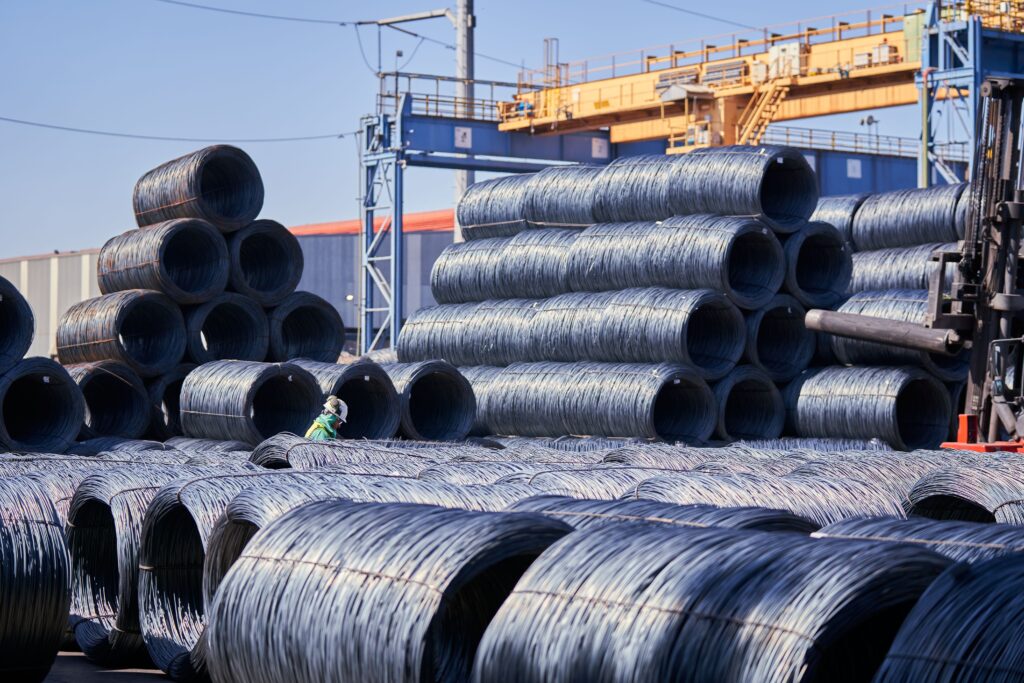
Sheet and coil steel (HRC, cold-rolled) is the most actively traded and most watched steel category because it feeds into everything from appliances to auto manufacturing to metal decking. This is also the category most exposed to daily commodity market swings — <cite index=”5-1″>HRC steel prices have moved between roughly $1,120 and $1,200 per ton just since April 2026</cite>.
Cold-rolled steel costs more than hot-rolled because of the additional processing (annealing and cold reduction) required to achieve tighter tolerances and a smoother surface finish — typically a $0.10–$0.20 per pound premium.
Stainless and specialty steel command the highest per-pound prices due to alloying elements like chromium and nickel, which are subject to their own separate commodity markets.
Regional Price Differences Across the U.S.

Steel prices aren’t uniform nationwide. Distance from mills, port access, and regional demand all affect the delivered price you’ll see on a quote:
- Midwest (Ohio Valley, Great Lakes): Historically the benchmark region for U.S. steel pricing due to mill concentration; often the lowest delivered cost for buyers near major producers.
- Gulf Coast (Texas, Louisiana): Strong pricing competitiveness due to port access and import flexibility, plus proximity to EAF mini-mills.
- West Coast: Typically carries a premium due to freight costs and distance from major domestic mills, with more reliance on imported steel.
- Northeast: Prices often track closer to Midwest benchmarks but with added freight and higher labor costs for fabrication and installation.
When comparing quotes, always ask whether the price is FOB mill, FOB warehouse, or delivered — this single distinction can account for a 5–15% swing in what looks like the “same” price
How to Estimate Steel Costs for a Project
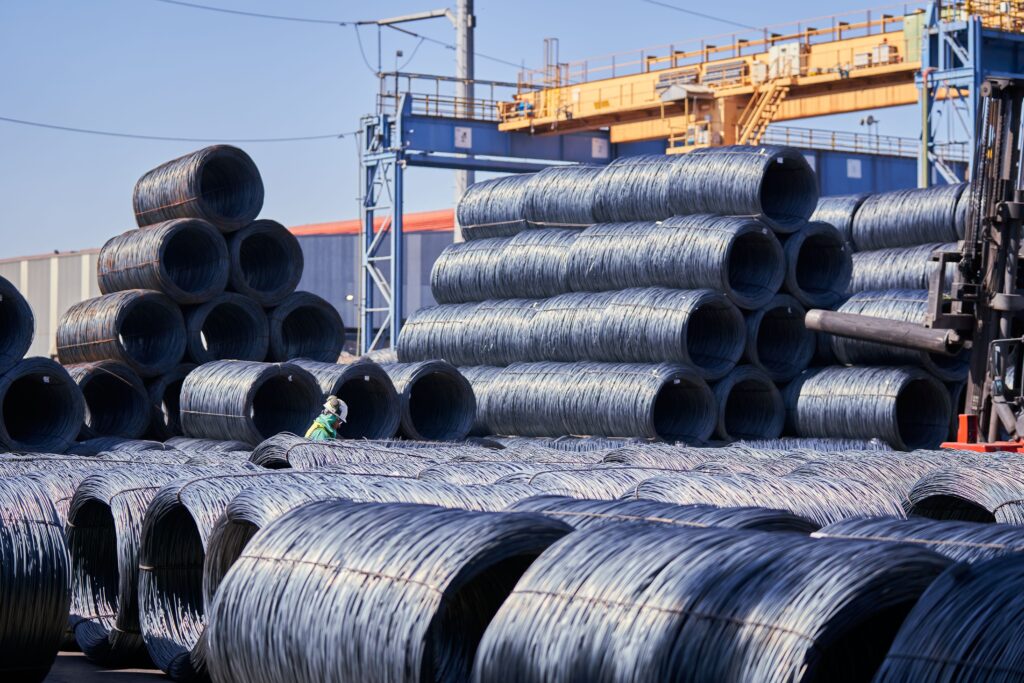
A reliable steel cost estimate has four components:
Step 1: Calculate total tonnage or weight. Pull this from your structural drawings or engineer’s takeoff. For rough estimating, structural steel framing for commercial buildings typically runs 6–10 lbs per square foot of building area, though this varies widely by structure type and span.
Step 2: Apply current market pricing. Use benchmark pricing (like the ranges above) as your baseline, then adjust for your specific grade and form.
Step 3: Add fabrication and delivery. Fabricated structural steel (cut, drilled, welded, painted) typically costs 30–60% more than raw mill pricing, depending on complexity.
Step 4: Build in a contingency. Given how volatile steel has been in recent years, a 5–10% price contingency on any project with a lead time over 60 days is a reasonable safeguard against mid-project price swings.
Example calculation: A small commercial building requiring 40 tons of structural steel, at $2,400/ton mill price, with 40% fabrication markup:
- Raw material: 40 tons × $2,400 = $96,000
- Fabrication markup (40%): $38,400
- Estimated total: $134,400, before delivery and erection labor.
Tips for Locking in Better Steel Prices
Lock in pricing early on long-lead projects. If your project won’t break ground for several months, ask your supplier about price-lock agreements or escalation clauses tied to a published index like SteelBenchmarker or CRU.
Buy in bulk where possible. Larger tonnage orders typically unlock better per-ton pricing, especially direct from service centers rather than smaller distributors.
Watch scrap and tariff news. Since scrap availability and trade policy are leading indicators for price direction, keeping an eye on steel industry news can help you time purchases.
Compare mill-direct vs. service center pricing. Service centers charge a premium for smaller quantities, faster delivery, and pre-processing, but for large projects, going closer to the mill can save meaningfully.
Consider substitute grades where engineering allows. In some applications, a lower grade or alternate product form can meet code requirements at a lower cost — always confirm with your structural engineer first.
Get multiple current quotes. Because steel pricing changes frequently, a quote that’s 30 days old may no longer reflect current market conditions — always request updated pricing before finalizing a budget.
Steel Price Forecast: What to Expect Next
Industry analysts are cautious but not bearish for the remainder of 2026. <cite index=”8-1″>Steel price levels in early 2026 appeared to be near the bottom of the current cycle, with a meaningful recovery not expected until 2027, as modest demand growth is projected to be outpaced by a global surge in steel production capacity</cite>. This suggests buyers may continue to see relatively stable-to-soft pricing through the back half of 2026, with the next notable price cycle upturn potentially not arriving until 2027 or later.
That said, steel forecasting has been wrong before — tariff announcements, mill closures, and demand shocks have all triggered rapid double-digit price swings in the last five years. Treat any forecast as directional guidance, not a guarantee, and build flexibility into project budgets accordingly.
Frequently Asked Questions
How much does steel cost per ton in 2026?
Structural steel is running approximately $2,340–$2,480 per ton as of early-to-mid 2026, while hot-rolled coil steel is priced closer to $1,150–$1,200 per ton
Why did steel prices drop in 2026?
Steel prices have softened due to a combination of easing demand, high global production capacity relative to consumption, and a broader multi-year cyclical decline following the sharp price spikes of 2021–2022.
Is steel cheaper than concrete for construction?
It depends on the application. Steel framing often costs more upfront per square foot than concrete but can reduce labor time and allow for longer spans, which can offset material costs on larger commercial projects.
What is the difference between price per ton and price per pound?
One ton equals 2,000 pounds, so you can convert between the two by dividing (ton to pound) or multiplying by 2,000 (pound to ton). Always confirm whether a quote uses a U.S. short ton (2,000 lbs) or a metric tonne (2,204.6 lbs).
Will steel prices go up in 2027?
Some analysts expect a modest recovery beginning in 2027 as global capacity growth slows relative to demand, though this remains dependent on tariff policy, energy costs, and construction activity levels.
How often do steel prices change?
Benchmark steel prices are typically reported bi-weekly or monthly by major indexes, but the underlying commodity (especially scrap and HRC) can move daily on futures markets, meaning delivered quotes can shift week to week.

Key Takeaways
- Structural steel is currently priced around $2,340–$2,480/ton; HRC is closer to $1,150–$1,200/ton.
- Prices are down from 2025 highs but remain historically volatile due to tariffs, scrap supply, and global mill capacity.
- Always clarify whether a quote is mill price, warehouse price, or fully delivered — the difference can be significant.
- Build a 5–10% contingency into any steel budget with a lead time longer than two months.
- Get fresh quotes before finalizing any estimate — steel pricing data can go stale within weeks.
This guide reflects steel market data as of July 2026. Steel prices change frequently — check current mill and distributor pricing before finalizing project budgets.