
Average Cost to Build a House in USA ground up is one of the biggest financial decisions most Americans will ever make. Whether you’re a first-time buyer tired of bidding wars on existing homes, or a growing family looking for a custom layout, understanding the true cost of new construction is essential before you break ground. This guide — part of our ongoing home construction and renovation blog USA series — breaks down every major expense involved in building a house in 2026, from land acquisition to final inspection, so you can budget with confidence and avoid costly surprises.
Why Build a House Instead of Buying One?
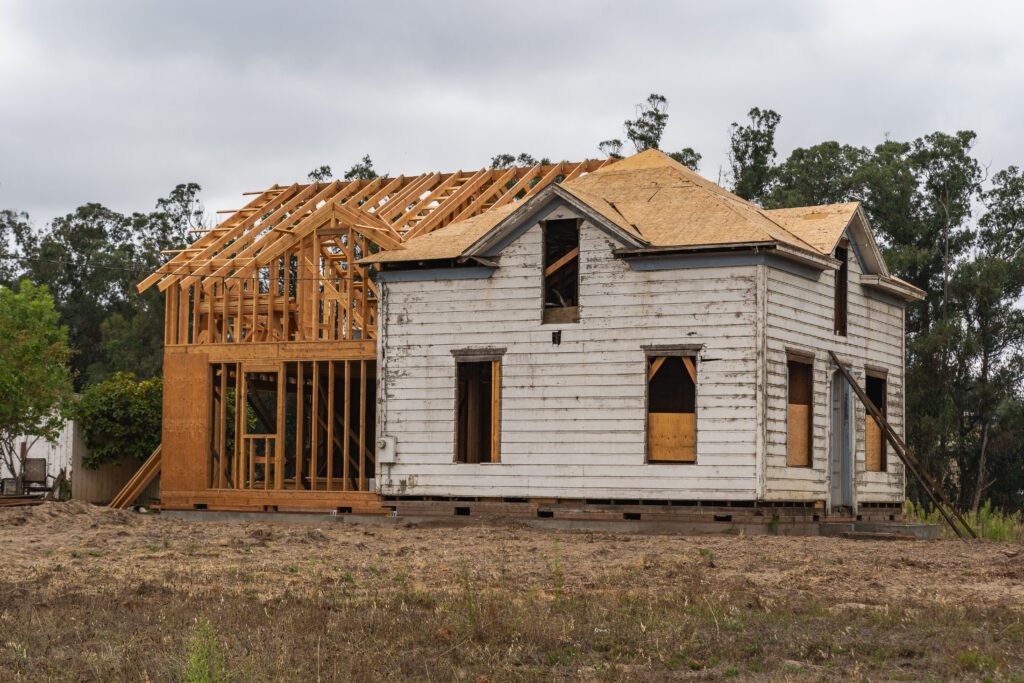
Before diving into numbers, it helps to understand why so many homeowners are choosing new construction over resale homes. With existing housing inventory remaining tight in many metro areas, and older homes often requiring expensive repairs or renovations, building new offers several advantages:
- Customization — you choose the floor plan, finishes, and layout
- Energy efficiency — new builds meet current building codes and insulation standards
- Lower maintenance — new systems (HVAC, plumbing, roofing) typically come with warranties
- Modern design — open floor plans, smart-home wiring, and updated electrical capacity
That said, building a house is rarely cheaper than buying an existing one of comparable size. The trade-off is paying more upfront for long-term savings on repairs and energy bills.
National Average Cost to Build a House in 2026
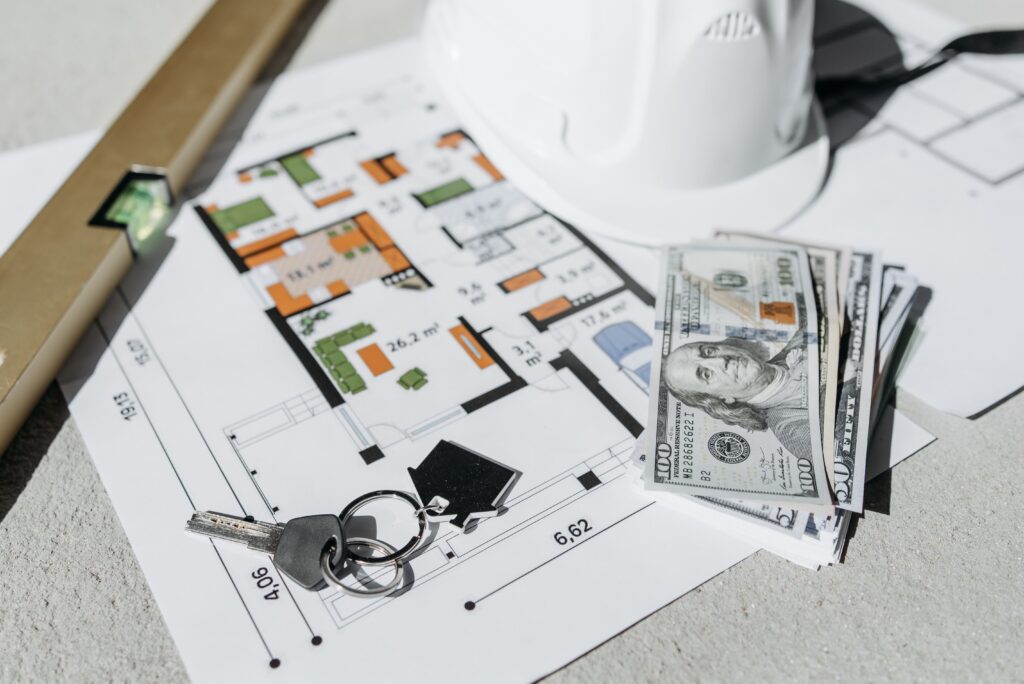
As of 2026, the national average cost to build a house in the USA ranges between $150 and $250 per square foot, depending on location, materials, and design complexity. For a typical single-family home of around 2,000 square feet, that puts the total construction cost between $300,000 and $500,000, not including land.
Here’s a quick breakdown by home size:
| Home Size (sq ft) | Low-End Estimate ($150/sq ft) | High-End Estimate ($250/sq ft) |
| 1,200 sq ft | $180,000 | $300,000 |
| 1,800 sq ft | $270,000 | $450,000 |
| 2,000 sq ft | $300,000 | $500,000 |
| 2,500 sq ft | $375,000 | $625,000 |
| 3,000 sq ft | $450,000 | $750,000 |
| 4,000 sq ft | $600,000 | $1,000,000 |
These figures are general averages. Custom luxury homes with high-end finishes can easily exceed $400–$600 per square foot, while basic production-builder homes in lower-cost regions can come in closer to $100–$130 per square foot.
Cost Breakdown: Where Your Money Actually Goes
Understanding the cost categories helps you see where savings are possible and where cutting corners can backfire. On average, here’s how construction costs are typically allocated:
Land Purchase (10–20% of total budget)
Land prices vary enormously by region. A buildable lot in a rural area might cost $20,000–$50,000, while urban or suburban lots in high-demand markets can run $100,000 to well over $300,000. Don’t forget to budget for a land survey, soil testing, and utility hookup fees, which can add several thousand dollars before construction even starts.
Site Preparation and Foundation (8–12%)

This includes clearing the lot, grading, excavation, and laying the foundation. Foundation type matters:
- Slab foundation: $4–$8 per sq ft (most affordable)
- Crawl space: $7–$14 per sq ft
- Full basement: $18–$30 per sq ft (most expensive, but adds usable space)
Soil conditions, water table depth, and local frost lines also affect foundation costs significantly.
Framing (15–20%)
Framing is the skeleton of your home — walls, floors, and roof trusses. Lumber price volatility has made framing one of the more unpredictable cost categories in recent years. Expect to pay $20–$50 per square foot for framing alone, depending on lumber market conditions and design complexity (multi-story homes, vaulted ceilings, and complex rooflines all add cost).

Exterior Finishes — Roofing, Siding, Windows (10–15%)
Roofing: $5,000–$15,000 for asphalt shingles; $15,000–$40,000+ for metal, tile, or slate Siding: $8,000–$25,000 depending on material (vinyl, fiber cement, brick, or stone veneer) Windows and doors: $10,000–$30,000 depending on quality, energy ratings, and quantity
Major Systems — Plumbing, Electrical, HVAC (15–20%)
These “rough-in” trades are essential and non-negotiable:
- Plumbing: $4,000–$15,000 depending on number of bathrooms and fixtures
- Electrical: $4,000–$12,000 for wiring, panel, and outlets
- HVAC: $5,000–$20,000 depending on system type (central air, heat pump, geothermal)

Interior Finishes (15–20%)
This is where personal taste has the biggest cost impact:
- Drywall and insulation: $10,000–$25,000
- Flooring (hardwood, tile, carpet): $5,000–$30,000+
- Cabinetry and countertops: $8,000–$40,000+
- Paint and trim: $5,000–$15,000

. Permits, Fees, and Inspections (3–5%)
Building permits, impact fees, and inspection costs vary widely by city and county, typically ranging from $1,500 to $10,000+ depending on local regulations.
Labor Costs (Often 30–40% of total budget)
Labor is consistently one of the largest line items, and shortages in skilled trades have kept labor costs elevated heading into 2026. General contractor fees typically run 10–20% of the total project cost on top of the labor already factored into subcontractor bids.
Cost by Region: Why Location Changes Everything
Construction costs in the USA differ dramatically by state and metro area due to labor rates, material transportation, local code requirements, and land prices. Here’s a general regional snapshot:
| Region | Average Cost per Sq Ft |
| Southeast (e.g., Georgia, Alabama) | $120–$180 |
| Midwest (e.g., Ohio, Indiana) | $110–$170 |
| Southwest (e.g., Arizona, Texas) | $130–$200 |
| Northeast (e.g., New York, Massachusetts) | $200–$350 |
| West Coast (e.g., California, Washington) | $250–$450 |
| Mountain West (e.g., Colorado, Utah) | $180–$280 |
Coastal states and major metro areas consistently see higher costs due to labor demand, stricter building codes (especially seismic and energy codes), and higher land values.
Custom Home vs. Production Home vs. Modular Home
Not all “building a house” projects are equal. Here’s how the three main approaches compare:
Custom Home
Built from a unique architectural design, fully tailored to the owner’s preferences.
- Cost: $200–$500+ per sq ft
- Timeline: 10–18 months
- Best for: Buyers wanting full design control and high-end finishes
Production (Tract) Home
Built by large homebuilders using repeatable floor plans across a development.
- Cost: $120–$200 per sq ft
- Timeline: 4–8 months
- Best for: Buyers wanting a faster, more affordable path to new construction
Modular or Prefab Home
Built in sections off-site in a factory, then assembled on the lot.
- Cost: $100–$200 per sq ft
- Timeline: 3–6 months
- Best for: Buyers prioritizing speed, cost predictability, and reduced weather delays
Hidden Costs Homeowners Often Forget
Many first-time builders budget for the obvious categories but get blindsided by these often-overlooked expenses:
- Utility hookups — connecting to municipal water, sewer, gas, and electric lines can cost $5,000–$20,000+ if not already on-site
- Landscaping and driveway — easily $10,000–$30,000 for grading, sod, plants, and paving
- Builder’s risk insurance — protects the structure during construction, typically 1–4% of the build cost
- Temporary financing costs — construction loans often carry higher interest rates than standard mortgages
- Change orders — mid-project design changes can add 10–25% to your original budget
- HOA or municipal impact fees — some developments charge $2,000–$15,000 just to begin construction

How to Finance Building a House
Most people building a new home use a construction loan, which differs from a traditional mortgage in a few key ways:
- Funds are released in stages (“draws”) as construction milestones are completed
- Interest is typically charged only on funds drawn, not the full loan amount
- Many lenders offer a construction-to-permanent loan, which automatically converts to a standard mortgage once the home is finished, saving you a second round of closing costs
Lenders generally require a down payment of 20–25% for construction loans, along with detailed building plans, a signed contract with a licensed builder, and a realistic project timeline.
Timeline: How Long Does It Take to Build a House?
On average, building a single-family home in the USA takes 7 to 12 months from groundbreaking to move-in, though this varies based on home size, complexity, weather, and labor/material availability. Custom homes with unique architectural features can take 18 months or longer, while production homes in established developments may be completed in as little as 4–6 months.
A general timeline looks like this:
- Pre-construction (permits, design, financing): 1–3 months
- Site prep and foundation: 3–6 weeks
- Framing: 4–8 weeks
- Roofing, windows, and exterior: 4–6 weeks
- Plumbing, electrical, and HVAC rough-in: 3–4 weeks
- Insulation and drywall: 2–3 weeks
- Interior finishes (flooring, cabinets, paint): 6–10 weeks
- Final inspections and walkthrough: 2–3 weeks
Is It Cheaper to Build or Buy in 2026?
This is one of the most common questions homeowners ask. In most markets, buying an existing home remains less expensive upfront than building new, primarily because you avoid land development costs, permitting delays, and construction loan interest. However, building offers long-term value through:
- Lower future maintenance and repair costs
- Better energy efficiency translating to lower utility bills
- A home built exactly to your needs, avoiding costly renovations down the road
If you already own land, or if the local resale market is severely limited or overpriced, building can become the more practical and even more affordable option in the long run.
Frequently Asked Questions
What is the cheapest way to build a house in the USA?
Modular and prefab construction tend to offer the lowest costs per square foot, since materials are mass-produced in controlled factory settings, reducing waste and labor time.
Does the cost to build a house include land?
No. Most cost-per-square-foot estimates refer only to construction costs. Land purchase is a separate expense and should be budgeted independently.
How much does it cost to build a 2,000 sq ft house in 2026?
On average, expect to pay between $300,000 and $500,000, depending on location, finishes, and labor costs, not including land.
Can I build a house for under $200,000?
Yes, particularly with smaller floor plans (under 1,500 sq ft), modular construction, or building in lower-cost regions of the Midwest or Southeast.
What adds the most cost to building a house?
Labor and framing typically represent the largest cost categories, followed closely by major systems (plumbing, electrical, HVAC) and interior finishes.
Final Thoughts
Building a house in the USA in 2026 is a significant investment, but with the right planning, realistic budgeting, and a trustworthy builder, it can result in a home perfectly tailored to your needs — built with modern materials, efficient systems, and long-term value in mind. Whether you’re comparing custom builds, production homes, or modular options, understanding where your money goes at every stage of construction empowers you to make smarter decisions and avoid budget surprises.
Stay tuned to our home construction and renovation blog USA for more in-depth cost guides covering roofing, flooring, plumbing, HVAC, and renovation projects to help you plan your next build or remodel with confidence.